AMD Earnings Beat with 34% YoY Growth Expected
Advanced Micro Devices (AMD) is scheduled to report first-quarter 2026 earnings after market close on May 5, with Wall Street expecting 34% YoY earnings growth and 33% revenue growth, continuing the semiconductor sector's AI-driven momentum.

Anny
Staff Writer
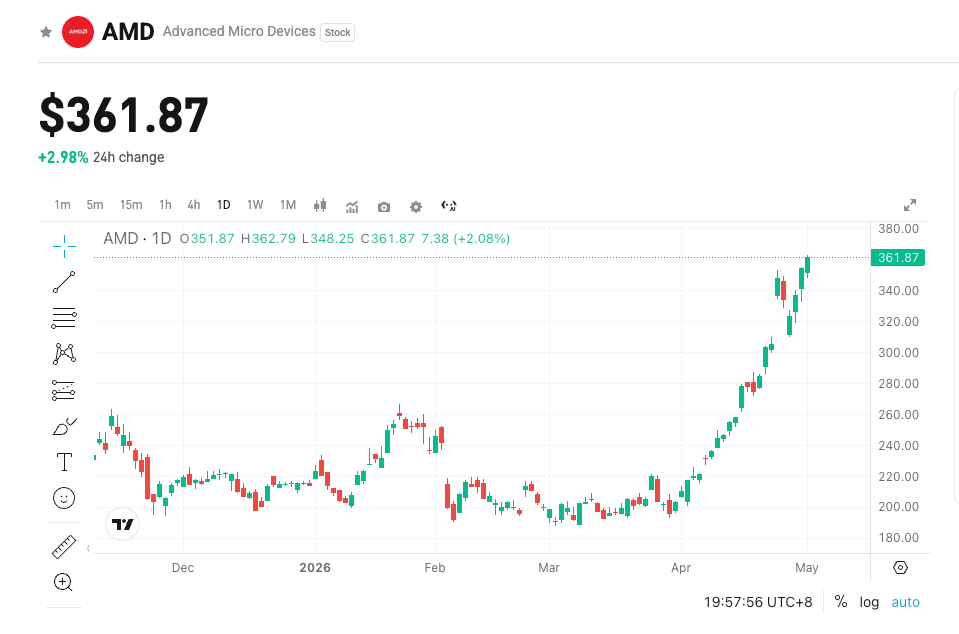
AMD's expected strong Q1 earnings reflect surging demand for semiconductor products powering AI infrastructure globally.
AMD Poised for Strong Q1 Earnings Report
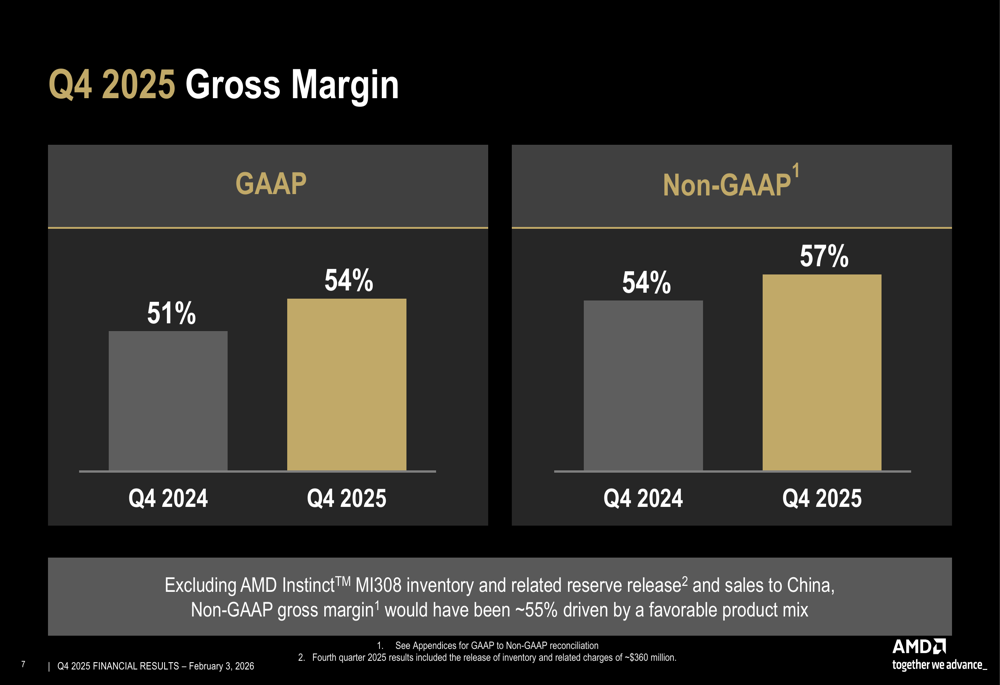
Advanced Micro Devices (AMD) is scheduled to report first-quarter 2026 earnings after the market close on May 5, with Wall Street expecting the semiconductor leader to deliver 34.4% YoY earnings per share growth and 33.0% YoY revenue growth to $9.89 billion.
If AMD meets or exceeds these expectations, the results would continue the strong momentum in the semiconductor sector, where AI infrastructure investments are driving unprecedented demand for high-performance processors.
"AMD is a primary beneficiary of global AI infrastructure buildout. Investors are betting on sustained demand for years ahead," noted semiconductor analysts tracking the sector.
Why AMD Is Positioned for Growth
AI Chip Demand: AMD's CPUs and GPUs power data centers and AI infrastructure globally. As enterprises accelerate AI adoption, demand for AMD's processors grows correspondingly.
Market Share Gains: AMD has gained significant market share from Intel in data center processors. This trend continues as cloud providers and enterprises replace legacy infrastructure with AI-optimized systems.
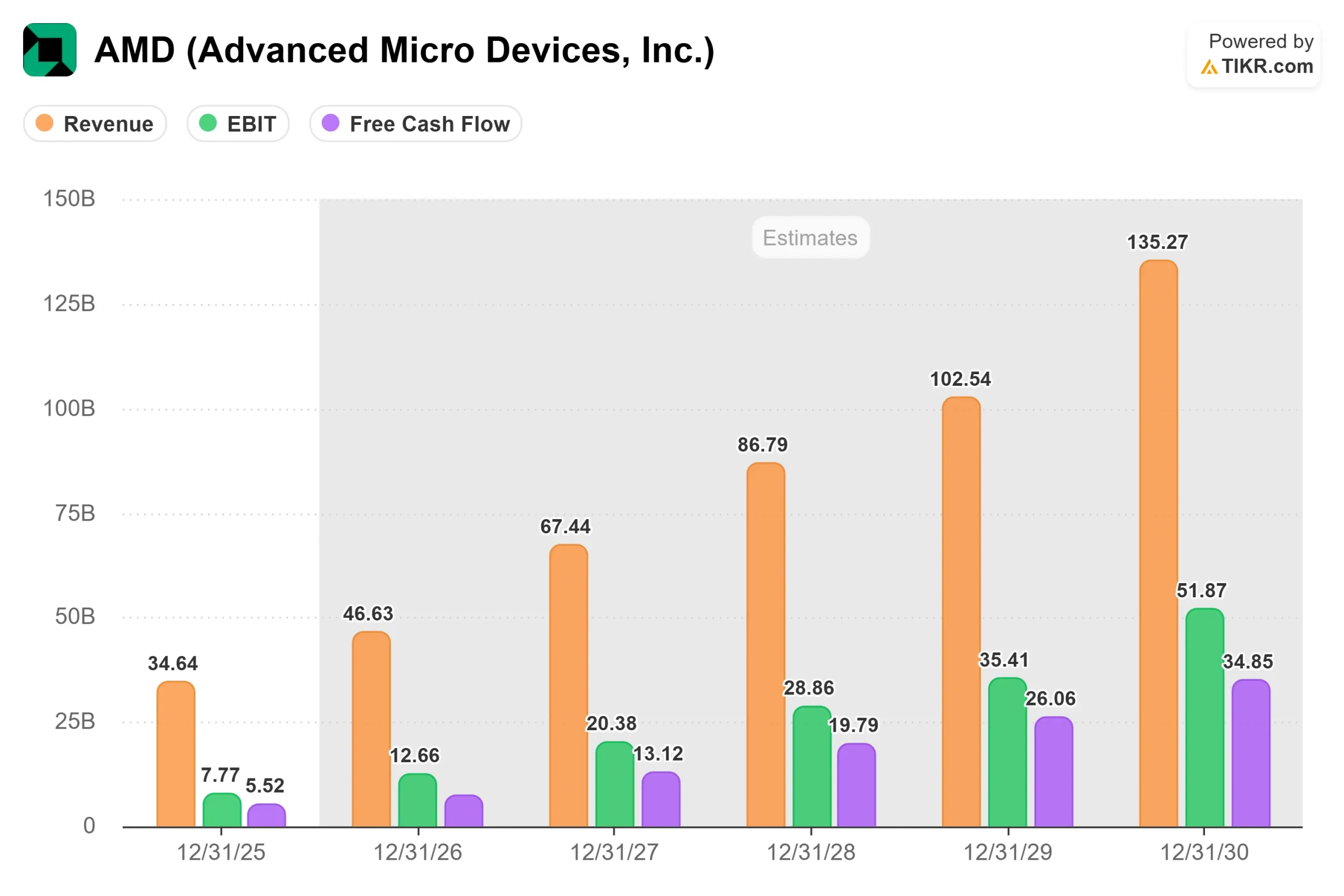
High-Margin Products: AI and cloud-optimized processors command higher margins than consumer CPUs, improving AMD's profitability profile despite competitive pressures.
Broader Semiconductor Sector Trends
AMD's expected beat is part of a broader narrative: semiconductors are experiencing a supercycle driven by AI infrastructure investment. NVIDIA has led this rally, but AMD, Broadcom, Marvell, and other semiconductor companies benefit from the wave of global AI capex.
However, concentration of semiconductor production in a few countries (particularly Taiwan) remains a geopolitical risk. The U.S. CHIPS Act and similar initiatives globally aim to diversify semiconductor manufacturing — an opportunity for countries like India to build semiconductor manufacturing capabilities over the medium term.
Implications for Tech Infrastructure and Investors
For investors, semiconductor strength suggests continued AI infrastructure investment momentum into 2026 and 2027. For tech leaders, strong semiconductor supply (following previous shortages) enables accelerated AI infrastructure buildout without capacity constraints.
About the Author

Anny
Covering the latest in AI, technology, and business — built for the modern Indian tech reader.
Related Stories

AI Is Using Your Job. But It's Not Taking It — Microsoft's Global Report Changes the Narrative

13 Balls. 8 Sixes. Joint-Fastest Fifty Ever. Meet Urvil Patel — CSK's New Weapon
