SpaceX's Starship V3 Is About to Make Space Travel Mundane
This week, SpaceX will test the third generation of Starship. This isn't about the spectacle—it's about proving reusable rockets can transform space economics forever.

Aman Yadav
Staff Writer

SpaceX's next-generation Starship V3 promises 100+ metric tons to low Earth orbit—a capability that could fundamentally reshape space economics.
When Testing Becomes History
SpaceX is aiming for launch May 12-18 at Starbase in Boca Chica, Texas. The nomenclature—Flight 12, Starship V3—sounds technical and incremental. It's neither. This is the moment the most ambitious engineering project in human history transitions from "working toward something" to "actually achieving it."
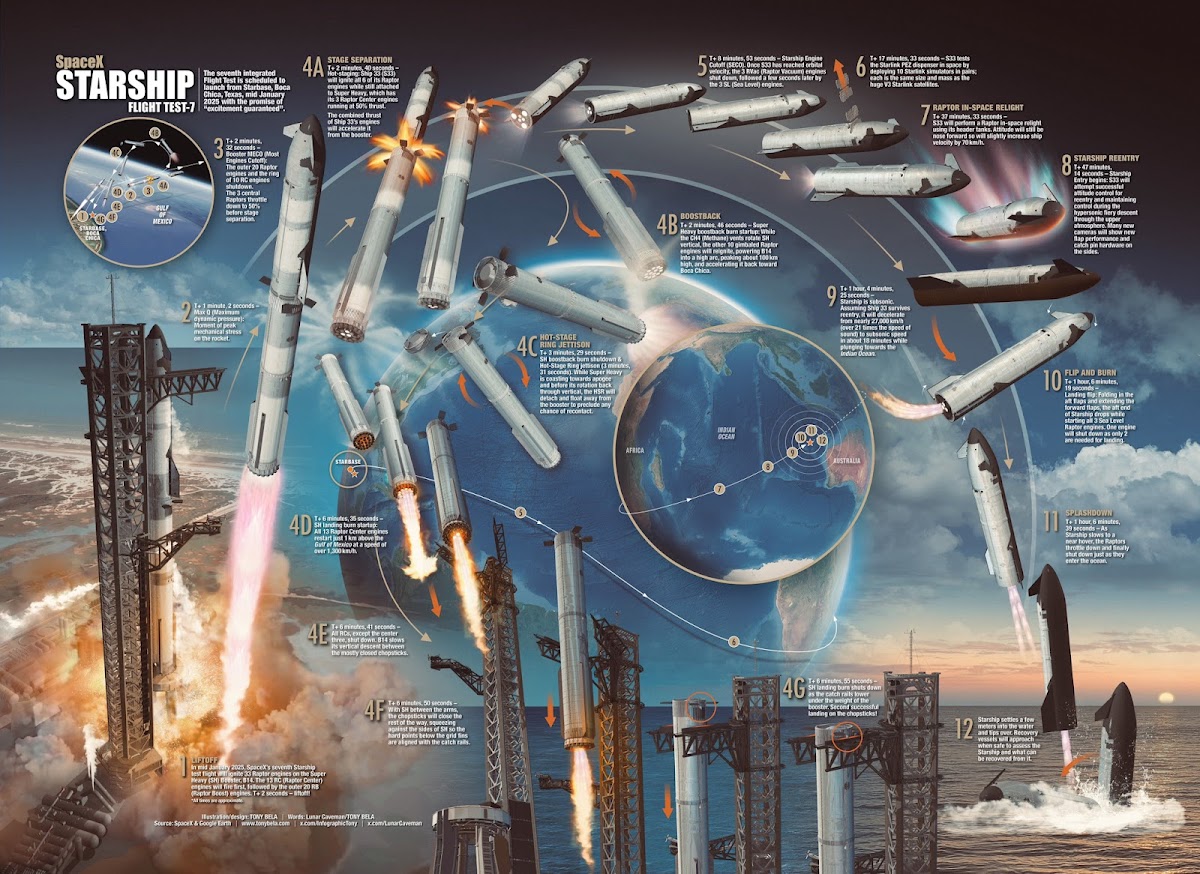
The target: Super Heavy ascent with controlled splashdown. Starship upper-stage deployment. Raptor 3 in-space relight. Docking and propellant transfer validation. These individual checkboxes sound mundane. Collectively, they represent the architecture for a fully reusable, rapidly turnaround-capable space transportation system.
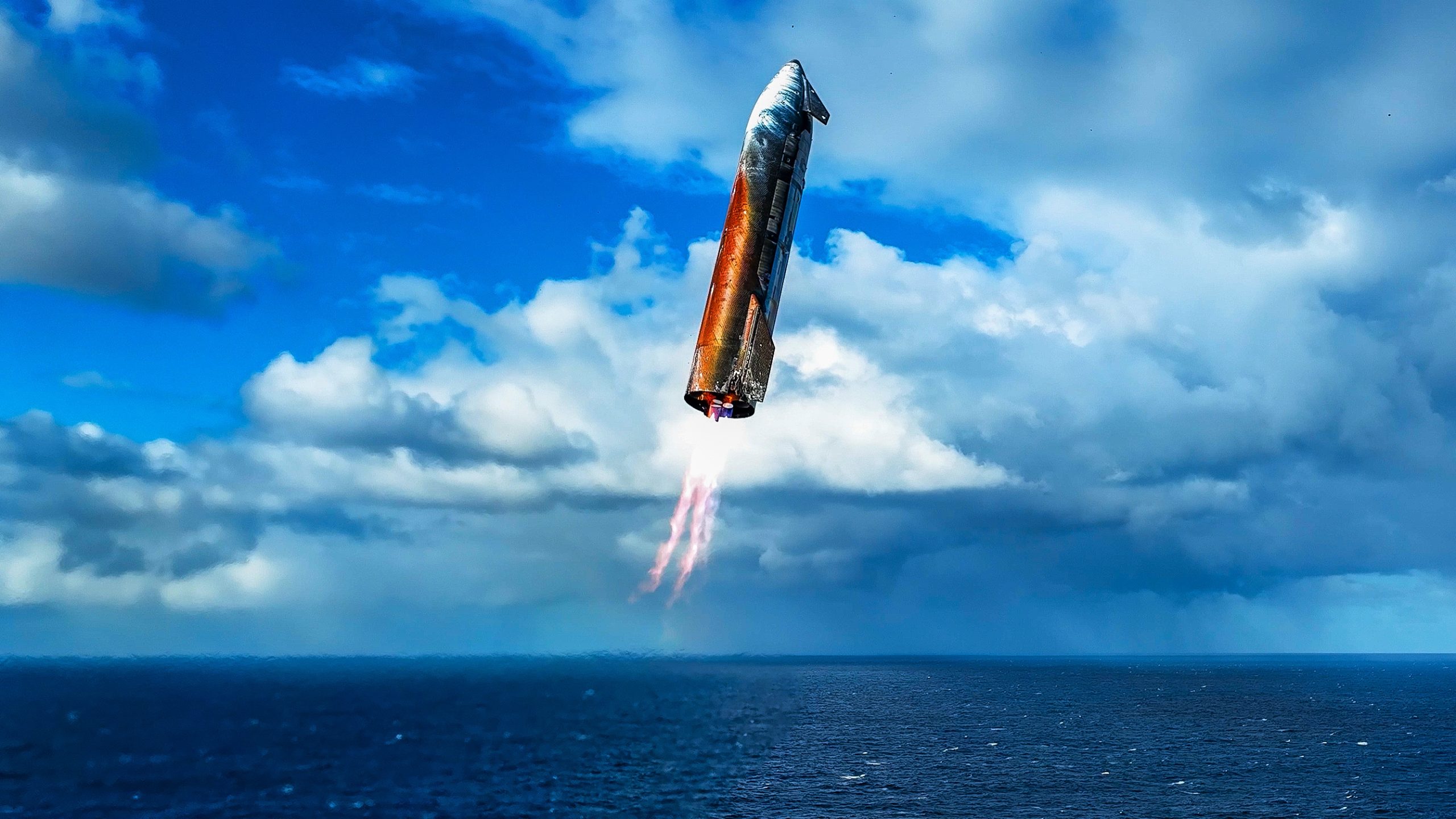
If this works—and the preliminary static fires on Booster 19 suggest it will—SpaceX will have fundamentally cracked the engineering problem that has eluded humanity for 50 years: making space access cheap and reliable enough to be routine.
The Engineering Marvel You Didn't Notice
Let's be clear about what's actually remarkable here. Booster 19 completed a 33-engine static fire. Thirty-three. Engines. Running. Simultaneously. The complexity of coordinating that level of thrust, managing combustion dynamics, preventing cascade failures—this is engineering at a scale that's genuinely hard to comprehend. The new Pad 2 at Starbase required water-cooled flame trench engineering and chilldown systems that didn't exist before this year.
The Raptor 3 engine represents a generation leap: better efficiency, better reliability, better performance per kilogram of engine mass. Ship 39 is a new iteration with design refinements learned from Flight 11 and earlier tests. Everything here is iterating faster than the aerospace industry thought possible.
What This Means for You
If you're in India watching this, understand the strategic implications: Space access is about to become dramatically cheaper. Satellite deployment, microgravity manufacturing, orbital tourism—these move from "experimental" to "commercially viable" in the next 18-24 months. Indian startups building space-adjacent services (communication satellites, Earth observation, in-space manufacturing) should be preparing for a world where launch costs drop by 10-20x.
The window to launch these services while competitors are still figuring out the new economics—that window is closing fast.
"The difference between a test and history is whether it works. The difference between a working rocket and a revolution is whether anyone has figured out how to use it yet."
The Mundane Future Hiding in Plain Sight
There's something beautifully ironic about SpaceX's approach: they've managed to make space exploration boring by making it work repeatedly. The real revolution isn't visible in the headlines. It's in the implications. When launch costs drop from $60 million to $2 million per ton to orbit, entire industries become economically viable. Orbital refueling stations. Lunar mining operations. Space-based solar power. In-space manufacturing.
SpaceX isn't building rockets to go to Mars. They're building rockets to make space cheap enough that capitalism can colonize it. That transition from exploration to commerce—that's the moment we're living through this week in Texas.
About the Author

Aman Yadav
Premium daily newsletter for the Indian tech community | Covering AI, startups, and business innovation | Built by technologists, for technologists.
Related Stories
AI Is Using Your Job. But It's Not Taking It — Microsoft's Global Report Changes the Narrative

13 Balls. 8 Sixes. Joint-Fastest Fifty Ever. Meet Urvil Patel — CSK's New Weapon
